Emerald Buddha Temple Bangkok: A Guide to Wat Phra Kaew's History and Spiritual Splendour
Wat Phra Kaew — the Emerald Buddha temple in Bangkok — is Thailand's most sacred shrine, a dazzling masterpiece of architecture and centuries of royal devotion. This guide explores its legendary history, spiritual significance, and what to expect on your visit.
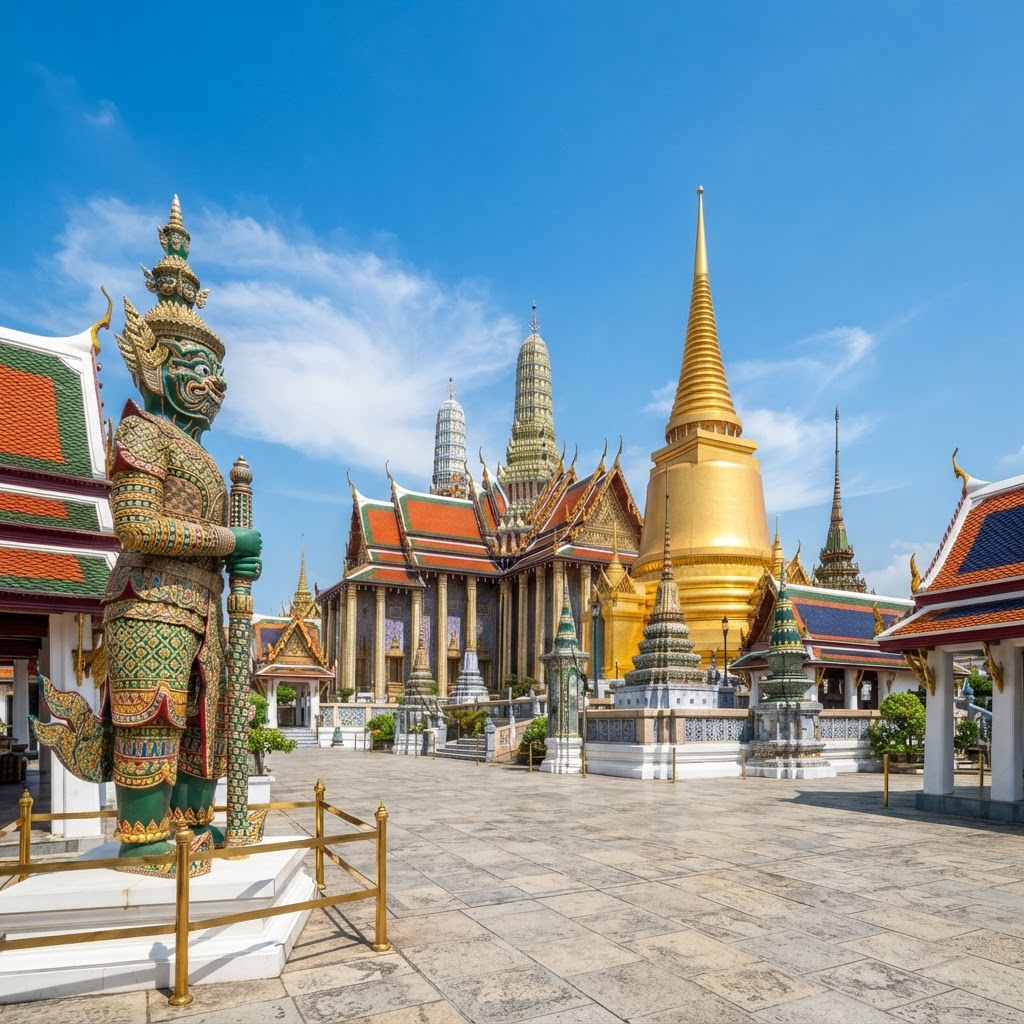
The Sacred Heart of Bangkok
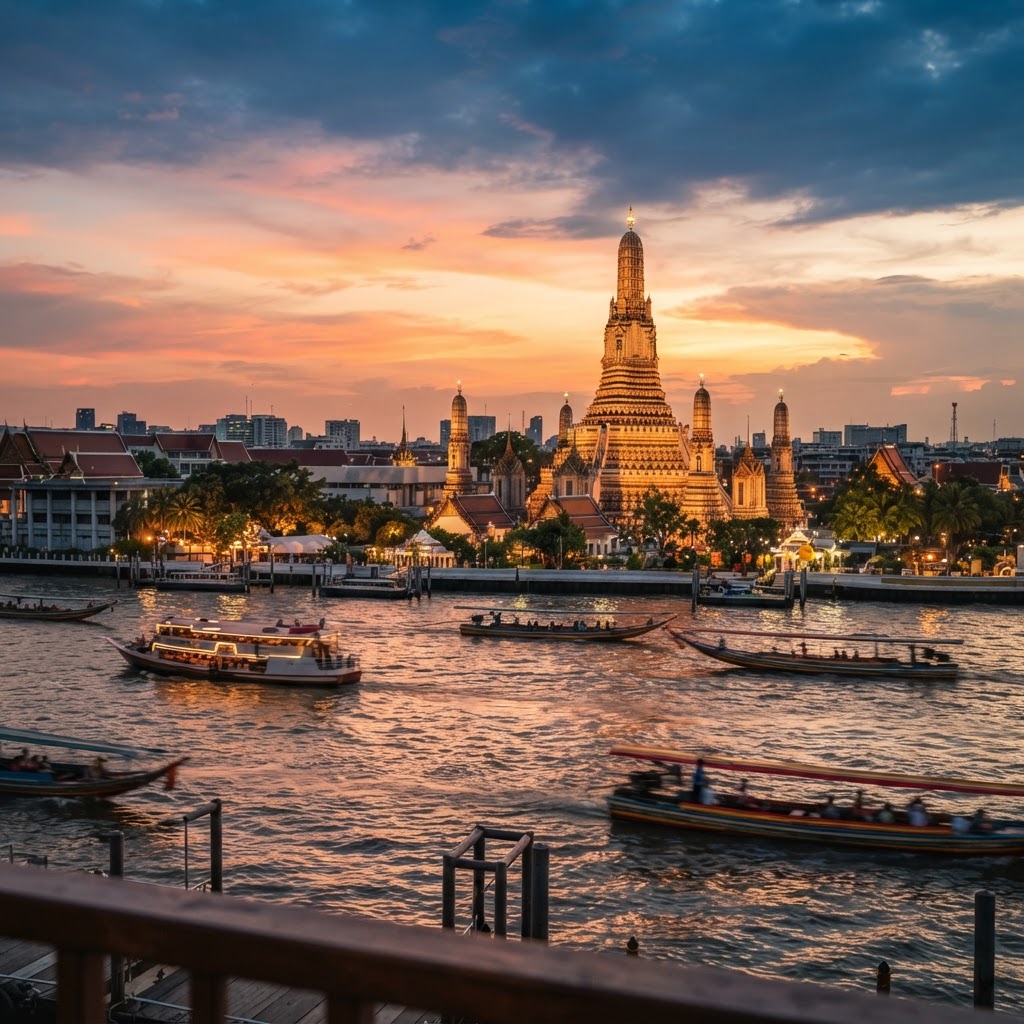
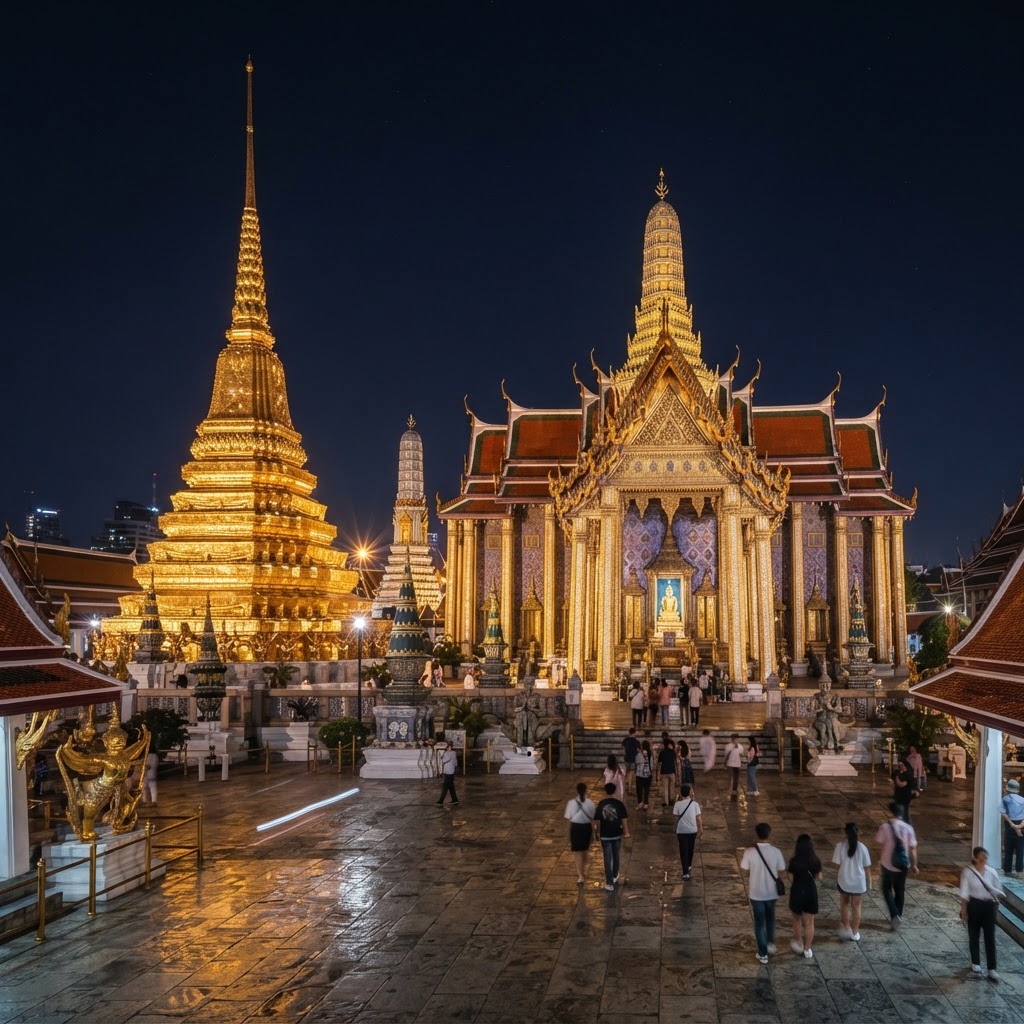
Deep within the storied walls of the Grand Palace on Rattanakosin Island, the Emerald Buddha temple Bangkok — known to Thais as Wat Phra Kaew — stands as the kingdom's most revered religious site. From the moment you pass through the ornate gateway, the air shifts. Golden spires catch the equatorial light, mosaic-encrusted chedis shimmer in every direction, and a respectful hush falls over even the most seasoned traveller. This is not simply a temple; it is the spiritual axis around which modern Thailand turns.
A Journey Through the Centuries
The origins of the Emerald Buddha are shrouded in legend and wonder. According to Thai tradition, the statue was carved in India around 43 BCE, its vivid green form fashioned from a single block of jasper — a stone long mistaken for emerald. Over the following centuries it journeyed through Sri Lanka, Cambodia, and Laos, accumulating reverence at every stop. It was in Laos that the image spent the longest period of its wandering life, residing in Luang Prabang and later Vientiane, before being brought to Thailand.
The statue's Bangkok chapter began in the late 18th century, when King Rama I founded a new capital on Rattanakosin Island and commissioned the Grand Palace as its centrepiece. He placed the Emerald Buddha within the newly completed Wat Phra Kaew in 1784, and the temple has served as Thailand's premier royal chapel ever since.
Architectural Magnificence at Wat Phra Kaew
No photograph quite prepares you for the visual intensity of the temple complex. Towering prangs and tapering spires rise above tiered rooftops glazed in amber and green. Mythical yaksha giants — demon guardians bristling with weaponry — flank the entrance gates, their mirrored armour catching the light. Inside the main bot, the walls are lined with gold-leaf panels and luminous murals depicting the Ramakien, Thailand's beloved national epic adapted from the Hindu Ramayana. The storytelling spans the entire inner courtyard gallery in an unbroken narrative frieze — remarkable in both ambition and execution.
High on a towering golden throne sits the Emerald Buddha itself. At just 26 inches tall, the statue is far smaller than visitors expect, yet its presence is commanding. The pedestal is encrusted with gold and precious stones, and the hushed reverence of worshippers kneeling below only adds to the sense of occasion.
The Seasonal Robes Ceremony
One of Bangkok's most cherished royal traditions takes place here three times a year: the changing of the Emerald Buddha's robes. Each season — summer, the rains, and the cool months — the King of Thailand personally changes the statue's golden costume in a solemn ceremony. The ritual is believed to bestow prosperity, protection, and good fortune upon the entire nation. Witnessing or simply understanding this ceremony deepens any visit to Wat Phra Kaew considerably, transforming a sightseeing trip into a genuine encounter with living Thai culture.
Planning Your Visit
Wat Phra Kaew sits within the Grand Palace complex in the Phra Nakhon district of Bangkok, easily reached by Chao Phraya Express Boat or tuk-tuk from most central neighbourhoods. Modest dress is strictly enforced — shoulders and knees must be covered — and removing shoes before entering the bot is required. Arrive early to avoid the midday heat and the largest tour groups. Combine your visit with the neighbouring Wat Pho temple and its famous reclining Buddha for a deeply rewarding half-day of cultural exploration.
If you are inspired to experience the temples, traditions, and timeless beauty of Bangkok for yourself, speak with the team at Citibond Holidays. We would love to help you plan a Thailand journey as remarkable as the country itself.