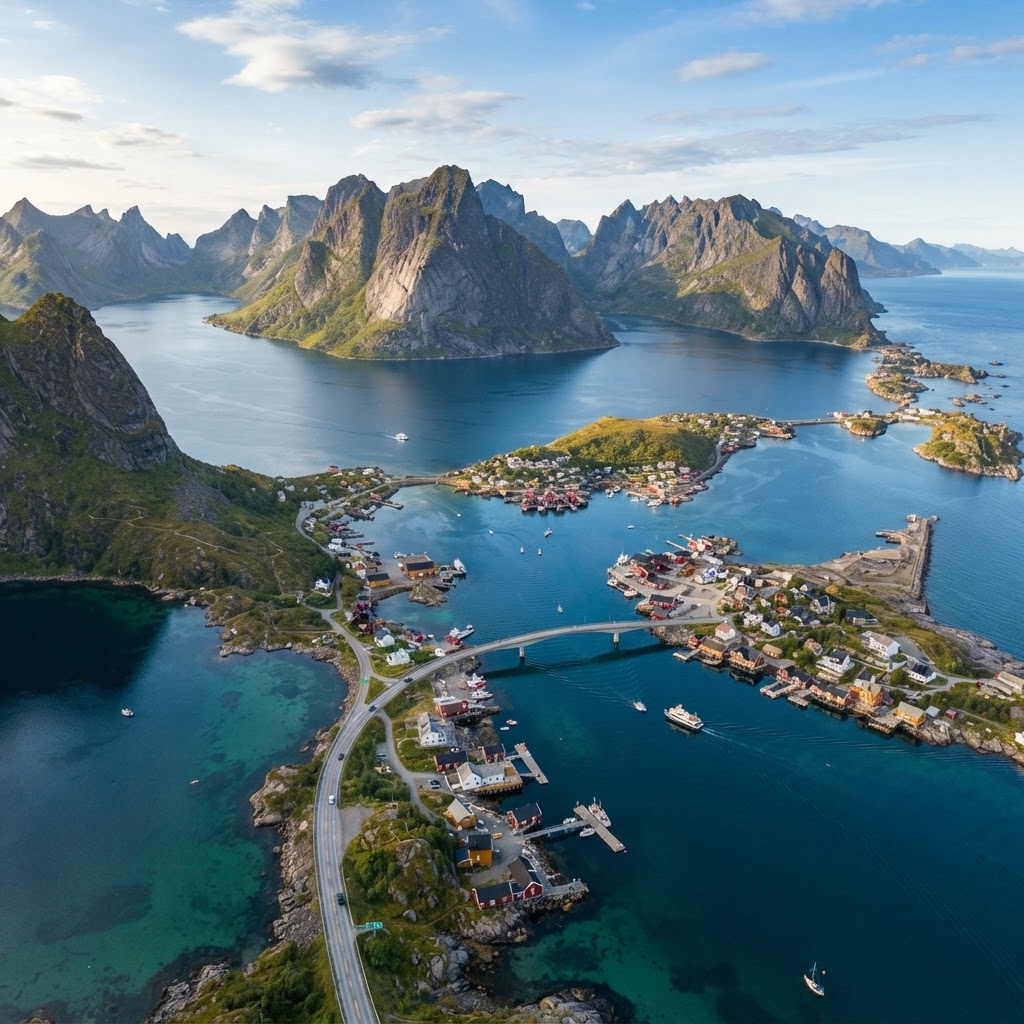
Heritage Travel to East Africa and India: A Guide for British Indian Families Reconnecting with Their Roots
For second and third-generation British Indians, heritage travel to East Africa and India is a chance to walk the streets, visit the temples, and feel the history that shaped their families — from the shores of Mombasa and the markets of Kampala to the ports of Porbandar and the craft villages of Kutch.
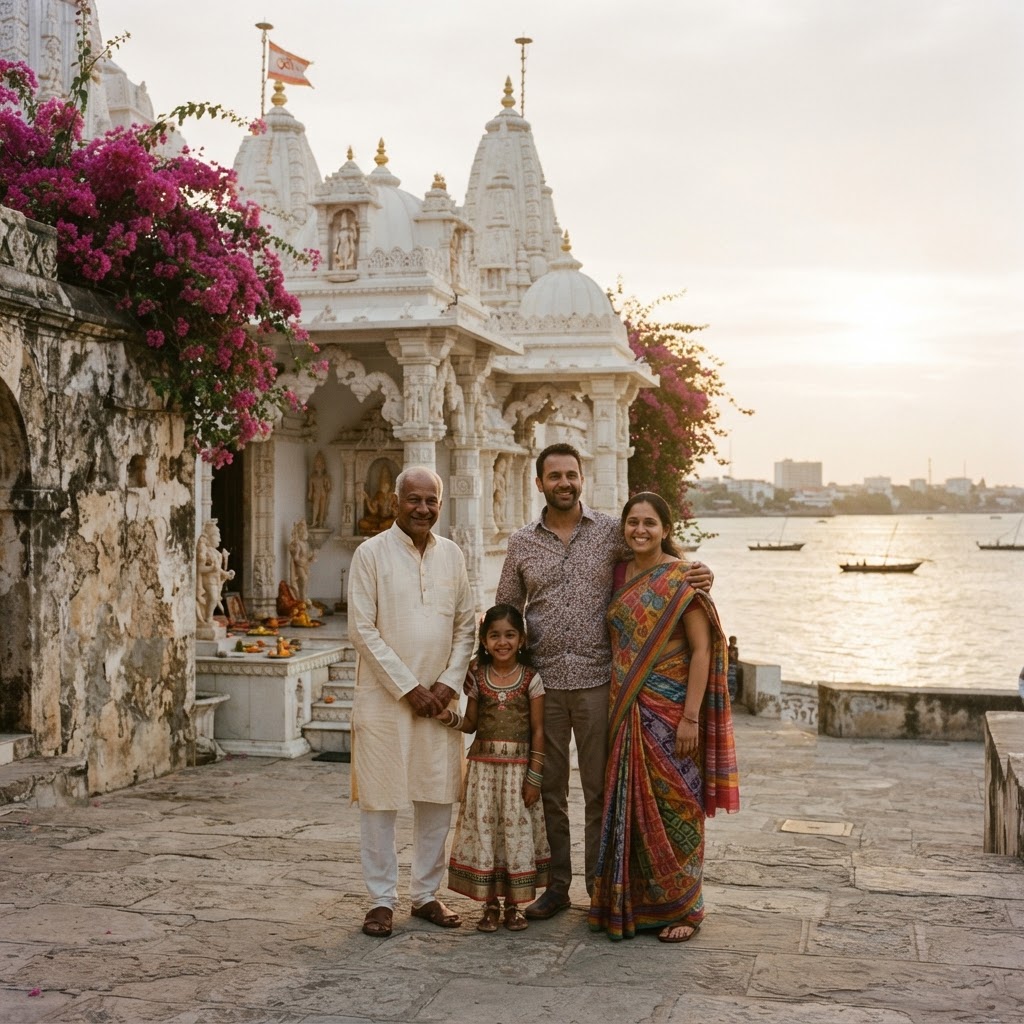
Why Second and Third-Generation British Indians Are Going Back
Heritage travel to East Africa and India is no longer a quiet impulse felt only at family gatherings. For second and third-generation British Indians, it has become a genuine, purposeful journey — one driven by old photographs on sideboards, half-finished stories told over Sunday dinners, and a growing need to understand the chapters that came before their own. Their grandparents built lives in Mombasa, Kampala, and Dar es Salaam. Their great-grandparents sailed from the ports of Porbandar and Kutch. Those stories deserve to be walked, not just inherited.
This is not about ticking off landmarks. It is about standing in the street where your grandfather had his shop, or sitting quietly inside a temple your family helped build. It is about filling in the gaps that migration, upheaval, and time have left behind.
The Weight of East Africa: Kenya, Uganda, and Tanzania
Indian families shaped East Africa profoundly, and that legacy is still visible for those who know where to look.
In Kenya, Mombasa's Old Town carries the quiet imprint of Gujarati merchants who arrived long before the railway era. Walking those narrow lanes, past faded shopfronts and old temples, many returning visitors describe a strange sense of recognition — as though the place already knew them. Nairobi tells a different story: one of ambition and community, built by families who arrived to lay the Uganda Railway and stayed to build a city. Kisumu, on the shores of Lake Victoria, offers a more contemplative stop — its lakeside calm and old market streets a reminder of a commercial community that once thrived and then quietly dispersed.
Uganda carries the most emotionally charged history. The 1972 Ugandan expulsion, ordered by Idi Amin, gave Indian families just 90 days to leave everything they had built. Most arrived in Britain with almost nothing. For their grandchildren, visiting Kampala is an act of reclamation. Community centres, temples, and old residential neighbourhoods still hold traces of the lives that were interrupted. Jinja, near the source of the Nile, and Mbale, in the east of the country, were both shaped by Indian traders and professionals whose absence is still felt in the architecture and the silence around certain streets. These are not easy visits, but they are profoundly meaningful ones.
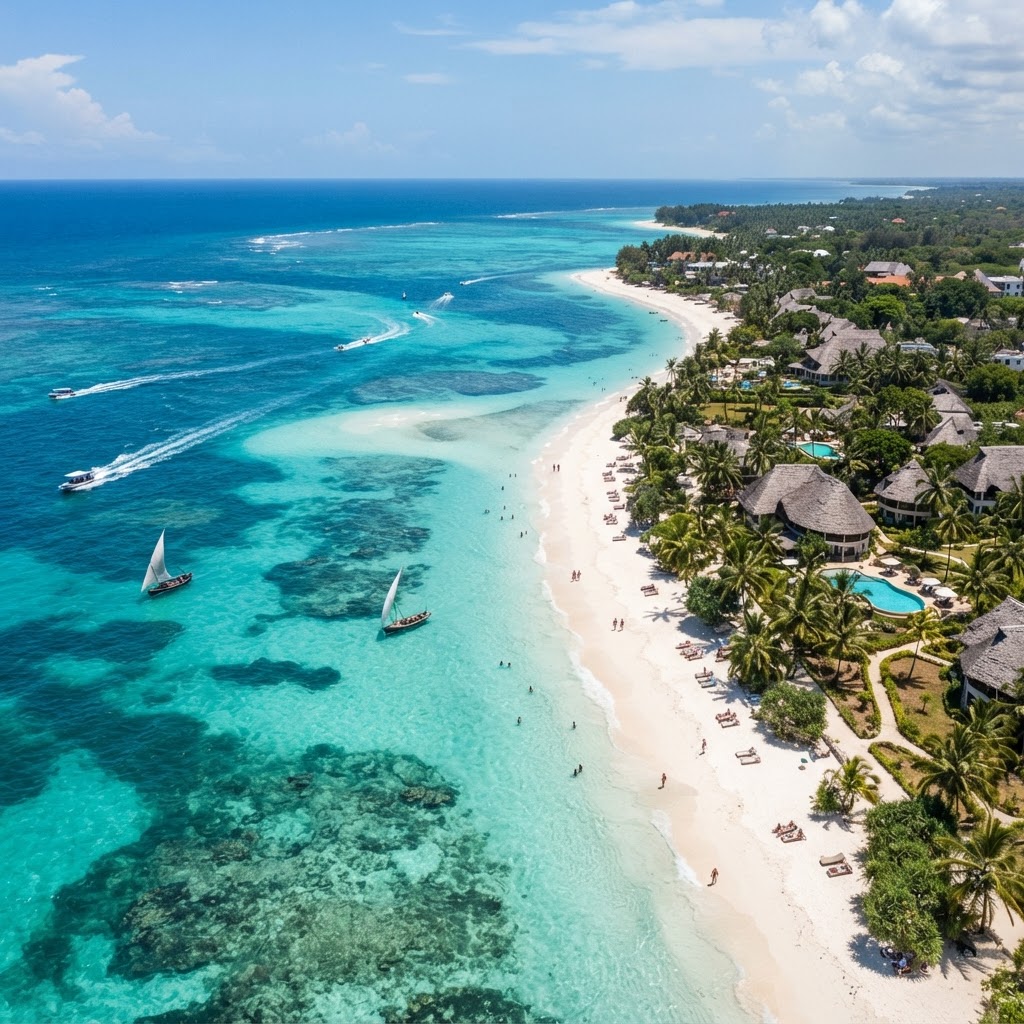
In Tanzania, Dar es Salaam retains one of East Africa's most enduring Indian cultural footprints. Temples, coastal markets, and old residential quarters speak to generations of families who made this city their home. Zanzibar adds another dimension entirely — its Stone Town a layered blend of Indian, Arab, and Swahili influences that feels both foreign and oddly familiar to many returning visitors. Spice farms, historic alleyways, and the warm Indian Ocean light make it a place of genuine reflection. Further inland, Arusha offers a calmer highland setting where Indian families once managed farms, shops, and transport routes, and where their legacy lingers in local markets and community spaces.
Returning to India: Where the Journey Began
For many British Indian families, East Africa was not the beginning of the story — it was the middle chapter. The story began in India, often in Gujarat.
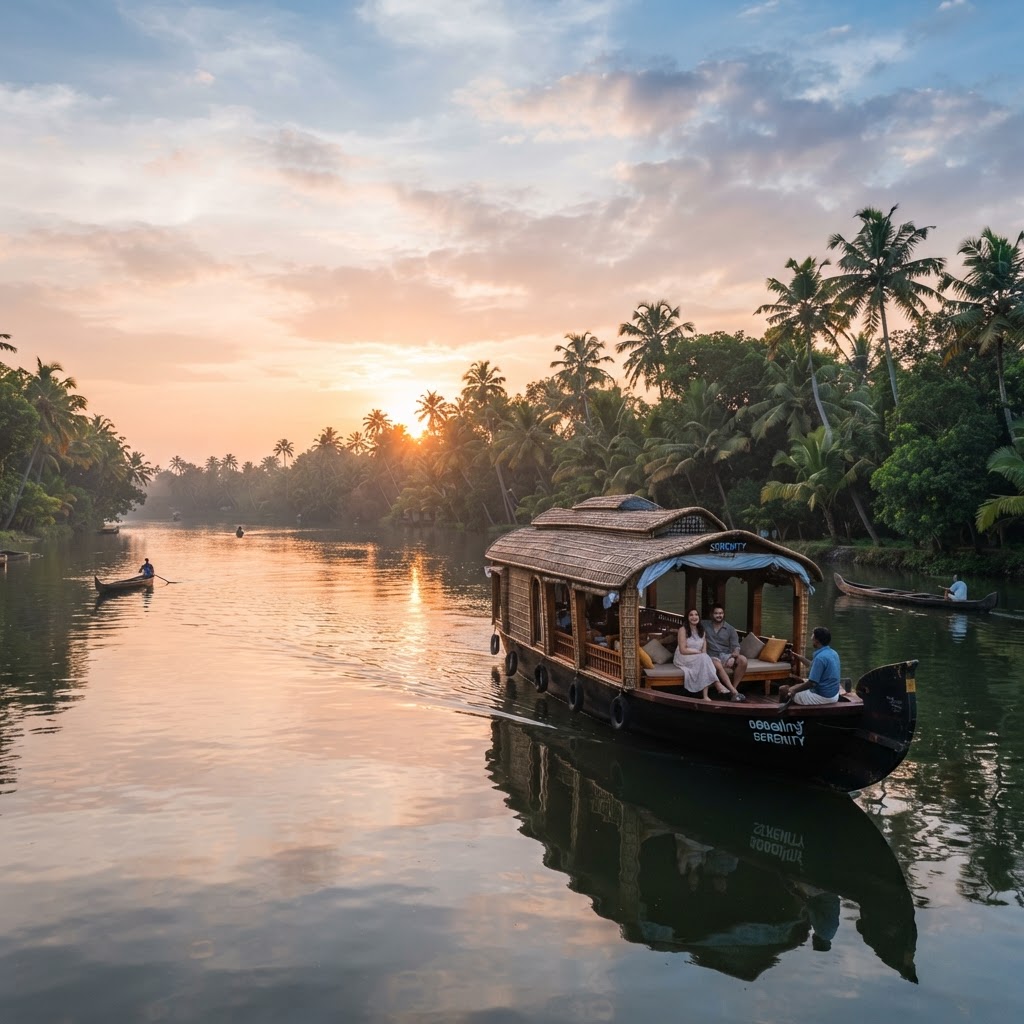
Ahmedabad is a natural starting point for families tracing Gujarati heritage. Its stepwells, textile markets, and ancestral neighbourhoods feel strikingly familiar to many visitors who have never set foot there before, because its culture has been carried faithfully across generations and continents. Porbandar, the coastal city from which so many traders once sailed across the Indian Ocean towards East Africa, is a quietly moving destination. Standing near the old docks, it is easy to imagine the courage it took to leave. The Bhuj and Kutch region, from which a significant number of East African Indians trace their origins, rewards those willing to slow down — its craft villages, family temples, and unhurried pace offering a sense of grounding that more well-trodden destinations rarely provide.
While Gujarat holds the deepest roots for many diaspora families, broader Indian itineraries can also enrich an ancestral roots journey. The history, architecture, and cultural richness found across the country add important context to any trip exploring what India meant — and still means — to families shaped by migration.
Planning Your Ancestral Roots Journey
A heritage journey of this kind asks more of a traveller than an ordinary holiday. It asks for time, openness, and a willingness to sit with complex feelings. The most rewarding itineraries combine structured sightseeing with unplanned moments — an afternoon in a temple courtyard, a conversation with an elder in a local market, a quiet hour by the water in Kisumu or Zanzibar.
Practically speaking, it helps to do some family research before you travel: old documents, letters, or even the names of towns mentioned in passing can become the backbone of a deeply personal itinerary. Travelling with parents or grandparents, where possible, transforms the experience entirely.
At Citibond Holidays, we can help you shape a journey that does justice to your family's story — whether that means combining destinations across East Africa and India, or focusing on a single region with depth and care. Enquire with our team to start planning the trip your family has been waiting to take.