Temple of Bacchus Baalbek: A Guide to Lebanon's Most Spectacular Roman Ruin
Standing in the Beqaa Valley of Lebanon, the Temple of Bacchus Baalbek is one of the best-preserved Roman temples on earth — a soaring, carved masterpiece that has outlasted empires and continues to inspire profound awe.
A Monument That Defies Time
Deep in the Beqaa Valley of Lebanon, the ancient city of Baalbek harbours one of the ancient world's most breathtaking survivals: the Temple of Bacchus Baalbek. Built during the 2nd century CE and dedicated to the Roman god of wine, fertility and celebration, this extraordinary structure has endured wars, earthquakes and the slow erosion of centuries — and still it stands, commanding and magnificent. For cultured travellers in search of authentic heritage, few sites on earth offer quite this degree of wonder.
Corinthian Grandeur on an Astonishing Scale
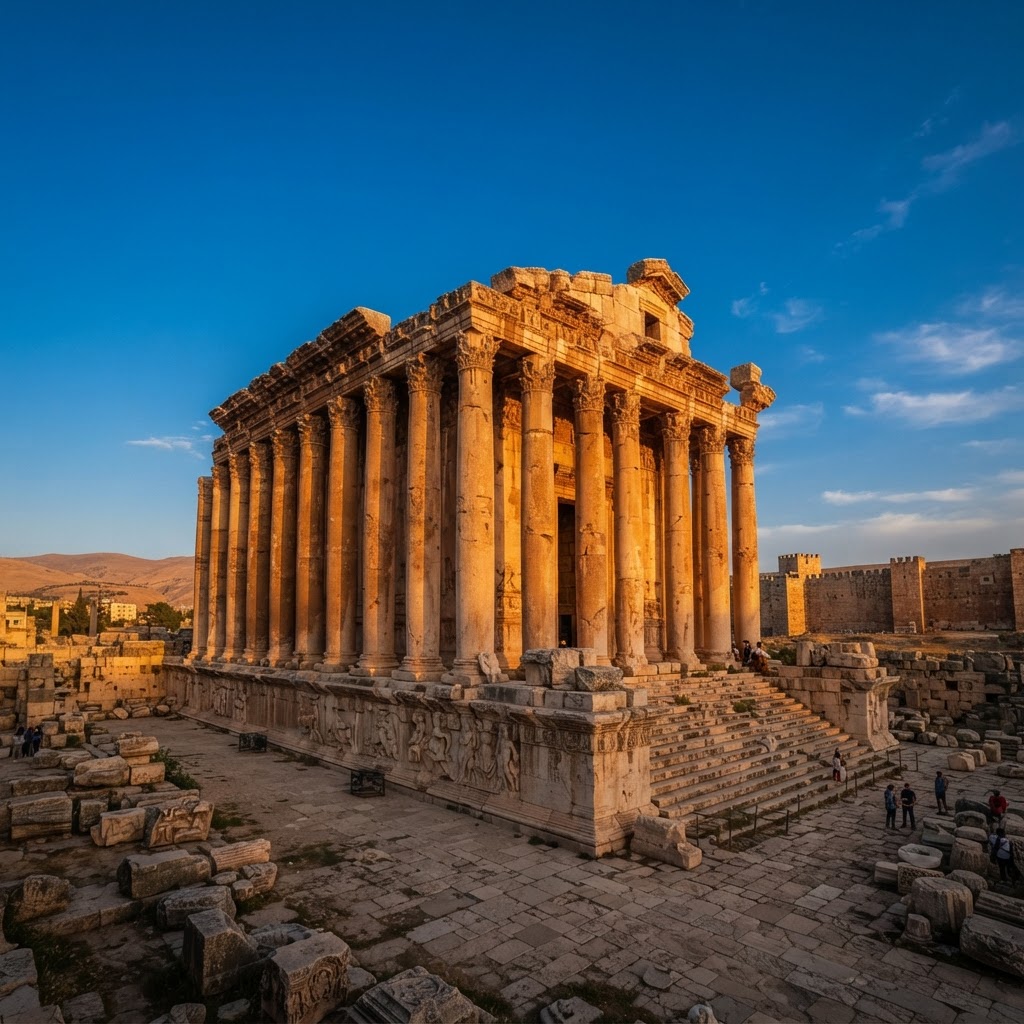
First impressions are simply overwhelming. Forty-two Corinthian columns, each soaring more than 19 metres into the Lebanese sky, define the temple's outer colonnade and dominate the surrounding landscape with an authority that photographs rarely do justice. Although slightly smaller in footprint than the neighbouring Temple of Jupiter — whose own colossal remnants loom nearby — the Temple of Bacchus Baalbek is far more intact, making it the more visceral and emotionally immediate of the two monuments. Step beneath its towering portico and the ancient world closes in around you.
Inside the sanctuary, intricately carved friezes tell a richly symbolic story: harvests in full abundance, musicians lost in performance, mythological creatures woven into stone. Every chisel mark speaks to an artistic programme deliberately chosen to honour Bacchus and all he represented — joy, fertility and the sacred pleasure of living.
An Engineering Marvel That Still Puzzles Historians
The construction of Baalbek's Roman temples remains one of antiquity's great engineering debates. Builders fitted stones weighing hundreds of tonnes with a precision that leaves modern engineers quietly humbled. How such feats were achieved using the tools available in the ancient world continues to divide historians, and several scholars have proposed that advanced knowledge was inherited from even earlier civilisations. Whatever the truth, standing amid the ruins provokes a genuine sense of awe at what human ingenuity — and perhaps something stranger — once accomplished.
Baalbek's position at a cultural crossroads also shaped the architecture itself. Roman design principles were filtered through local craft traditions, producing a synthesis that feels neither purely imperial nor purely regional, but something altogether its own: a testament to the creative possibilities that emerge when cultures collide.
A Site That Has Outlasted Empires
When Rome's influence eventually waned, Baalbek's monuments did not simply fade. Successive rulers adapted the temple complex to new purposes — most notably as a fortress — ensuring its structures survived long after the original faith had dissolved into history. Earthquakes rattled its columns; armies camped within its walls. Yet the Temple of Bacchus Baalbek endured, its fabric proving the remarkable resilience of Roman construction at its most ambitious.
Today the entire Baalbek complex holds UNESCO World Heritage Site status, a recognition of its outstanding universal value and the international duty to preserve it for future generations. Visitors walking through those towering columns join a long procession of travellers who have felt, across very different centuries, the same instinctive pull towards this extraordinary place.
Planning Your Visit to Baalbek
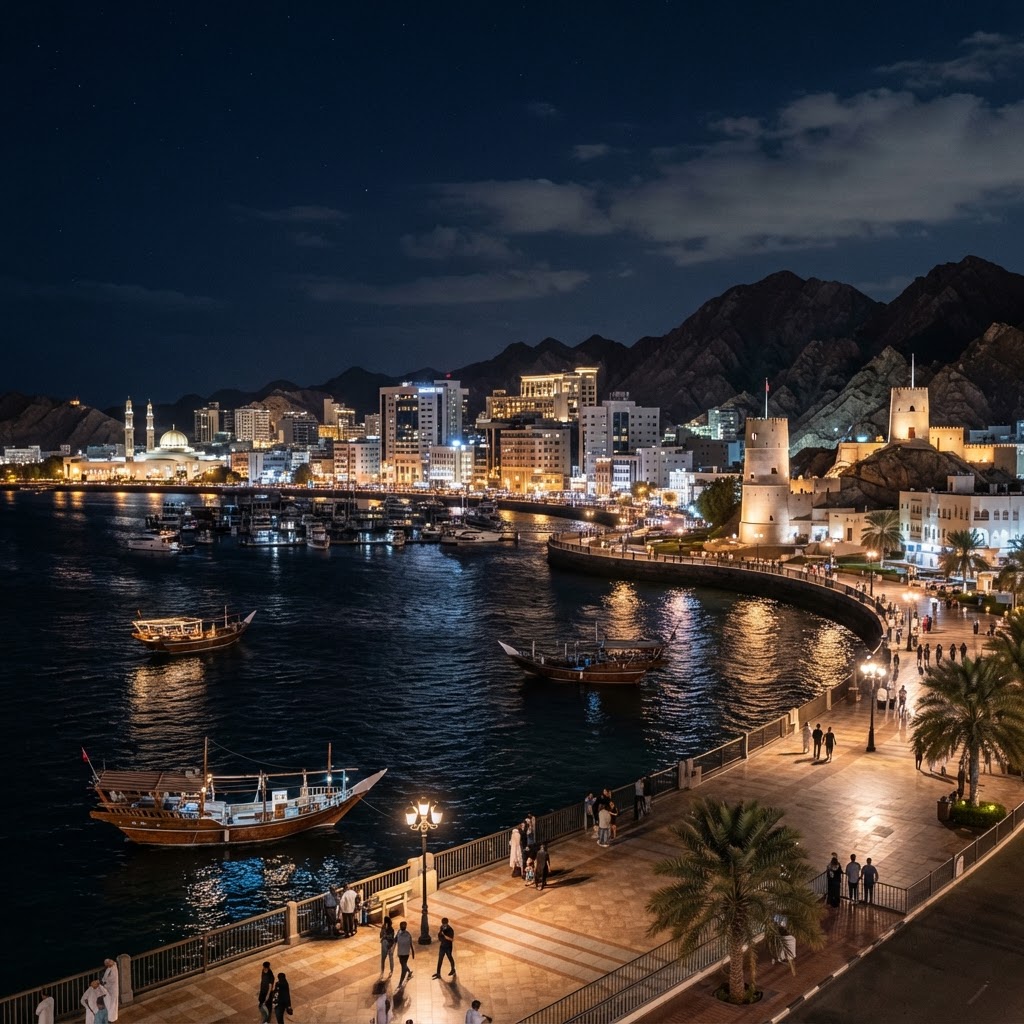
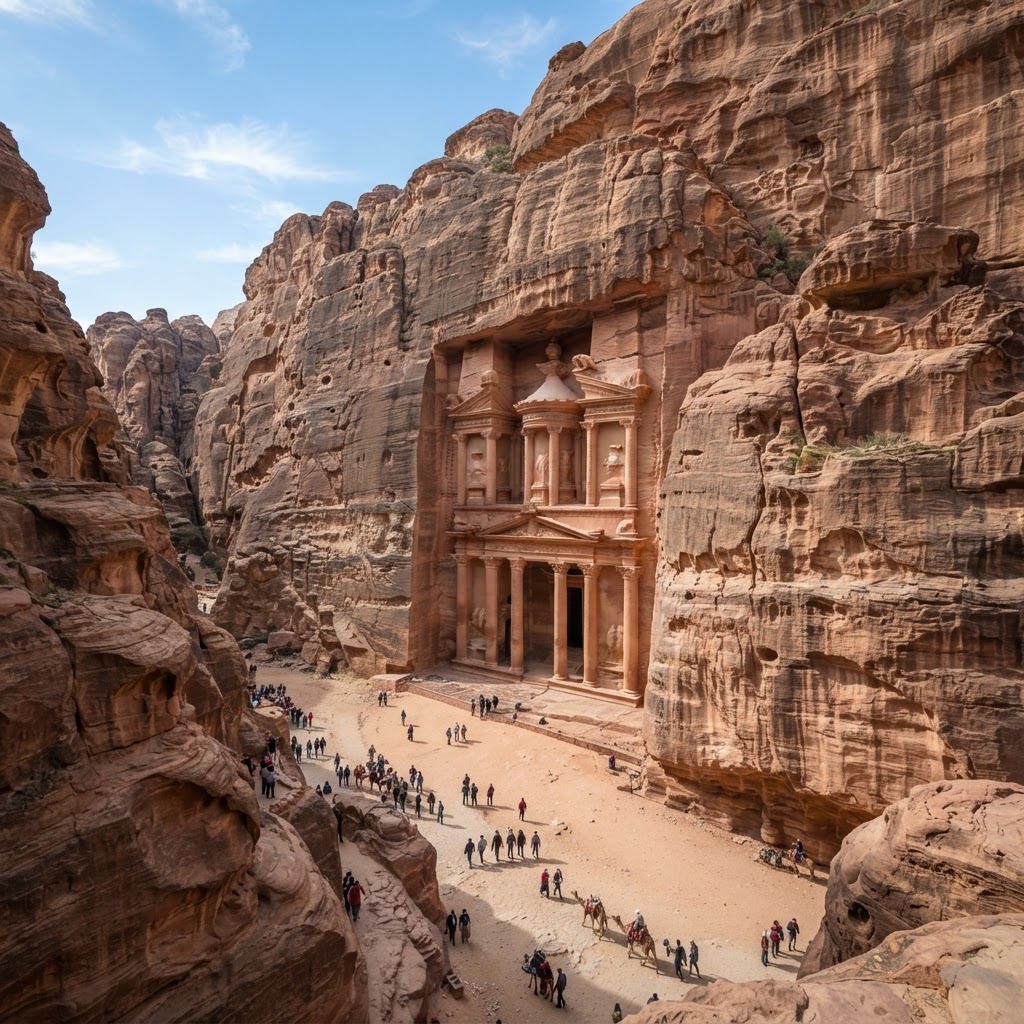
Baalbek is situated in the Beqaa Valley, roughly 85 kilometres north-east of Beirut. The site is most comfortably visited as part of a broader Middle Eastern cultural itinerary. Travellers interested in pairing the depth of Lebanon's Roman heritage with other remarkable destinations across the region might also consider the classic antiquities of Jordan — Petra, Amman and the Dead Sea are natural companions for any serious heritage journey — or the cultural riches of Oman's Muscat, where grand mosques, historic forts and traditional souks offer a contrasting but equally rewarding perspective on the ancient and medieval worlds.
If the Temple of Bacchus Baalbek has ignited your curiosity about the Roman and wider ancient world of the Middle East, speak with Citibond Holidays. Our team can help you craft an itinerary that brings these extraordinary places properly to life.