Visiting the Forbidden City Beijing: An Essential Guide to Imperial Splendour
The Forbidden City in Beijing is one of the world's great cultural landmarks — a vast imperial palace that reveals the artistry, power and history of China's dynasties. Here's everything you need to know before you visit.
A City Where Ancient and Modern Collide
Beijing, the capital of China, is a place where centuries of imperial grandeur sit comfortably alongside the hum of contemporary life. At the very heart of this extraordinary city lies the Forbidden City — a vast palace complex that served as the seat of power for emperors of the Ming and Qing dynasties across nearly five centuries. Visiting the Forbidden City Beijing is, quite simply, one of the most profound cultural experiences available to any traveller anywhere in the world.
Entering Through the Meridian Gate
Your journey into imperial China begins the moment you approach the Meridian Gate, the colossal southern entrance that announces the Forbidden City's authority before you've even stepped inside. Standing beneath its towering red walls, you'll feel the weight of history immediately. This was once the exclusive threshold of emperors, and even today it commands a sense of reverence. The scale is breathtaking — the entire complex spans over 180 acres and encompasses nearly a thousand individual buildings.
The Hall of Supreme Harmony and Imperial Architecture
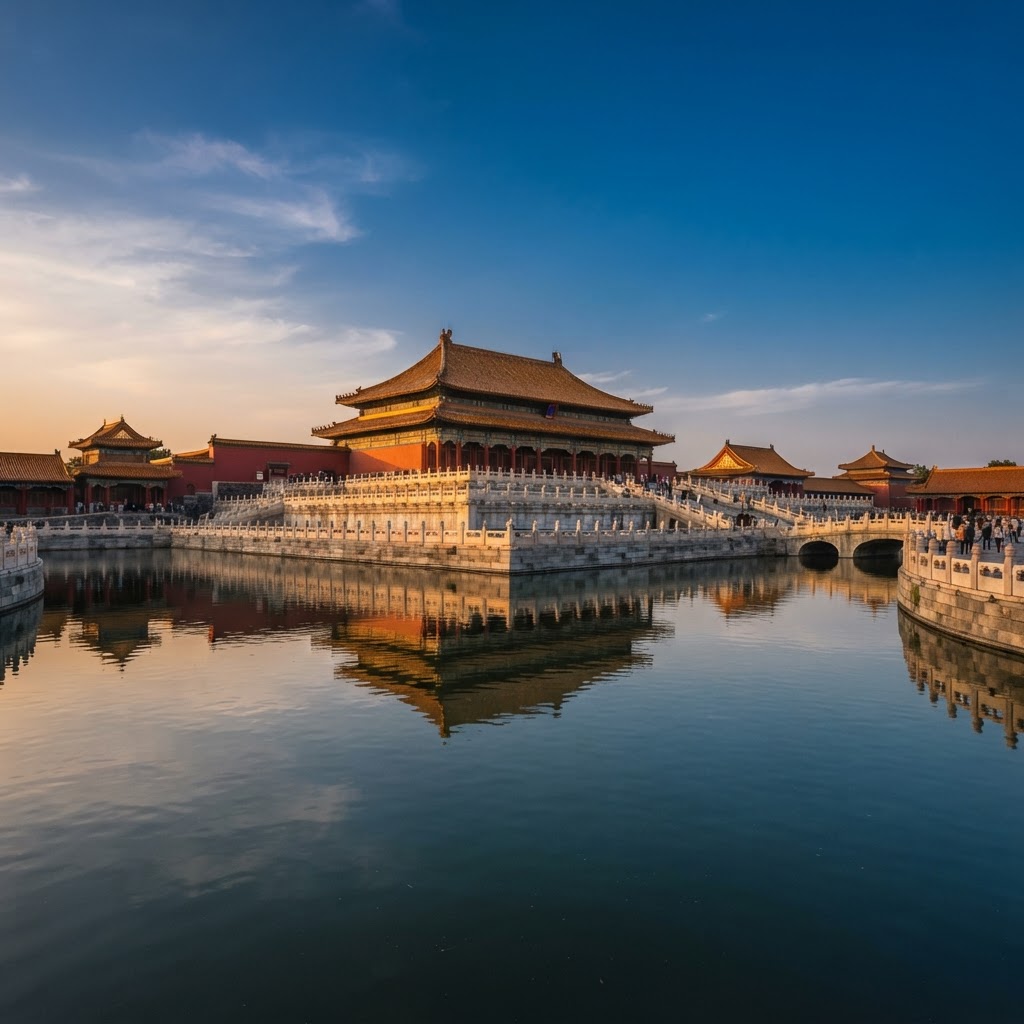
Once inside, the Hall of Supreme Harmony dominates the central axis of the complex. The largest wooden structure in China, it was here that the most significant imperial ceremonies — from coronations to great state occasions — were conducted before thousands of assembled courtiers. The architecture throughout is extraordinary: vivid red walls, gleaming golden rooftiles, and intricate carved detailing combine to create an aesthetic that feels both monumental and meticulously refined. Every courtyard and corridor you pass through reflects the classical Chinese principle of harmony between structure, symbolism and space.
Hidden Treasures and the Imperial Garden
Beyond the grand ceremonial halls, quieter discoveries await. The Palace of Heavenly Purity offers a glimpse into the emperor's private quarters, while the Hall of Mental Cultivation was the working heart of imperial administration during the Qing period. Art lovers will find the museums scattered throughout the complex particularly rewarding — collections of jade carvings, ancient porcelain and classical paintings speak to China's enduring creative heritage.
For a moment of stillness, seek out the Imperial Garden at the northern end of the complex. Ancient cypress trees shade decorative pavilions, and carefully arranged stones create a landscape that feels worlds away from the ceremonial grandeur elsewhere. It's the perfect spot to pause and absorb everything you've seen.
Practical Tips and Beyond the Walls
The Forbidden City is a UNESCO World Heritage Site and among Beijing's most visited attractions, so arriving early is strongly advisable. Book tickets in advance online, as daily visitor numbers are capped. Walking the full complex comfortably takes at least half a day — wear comfortable shoes and consider an audio guide to bring the stories to life. Before you leave, look back from the northern exit across the moat: the reflections of the red walls and golden rooftops in the water, particularly at dusk, are among the most photographed sights in all of Asia.
If the rich cultural heritage of Beijing has inspired you to explore further across Asia, Citibond Holidays offers a range of carefully curated itineraries throughout the region. Speak to our team to start planning your own unforgettable journey.